Tuesday, November 6, 2012
Student Interview
I wanted to wait till the end of my placement to do my interview with a student. I felt that by waiting this long students would feel more comfortable to open up with me during the interview. My first interview was not successful because the student was very nervous and you could tell he felt that he was being graded on what he said. He didn't want to say something wrong. So i decided to interview another student. This student was very open with me about her past time at school. The one question that really stuck out in my mind is when I asked her to share a time in school that she was not so proud of. Her reply had my jaw on the floor. She shared with me about the three times that she was suspended the previous year in the 7th grade. The first one was fighting. The second one was when she called a girl in her class a bitch. Then she said she didn't want to share the third one with me. I said that is fine, and if she didn't want to share that with me, that would be OK. I went on with the interview and I was thanking her for helping me out with this interview and she said, "The third time is when I tried to cut myself." With all of my classes and the news, I knew that this happened in school but it was shocking to sit there and have a kid tell you about it. She did not get into details, but if she got suspended from school, I'm guessing it happened at school.


Wednesday, October 3, 2012
Double journal #7
There are a few problems with this method but, “One of the
most significant challenges to the successful implementation of inquiry
approaches is the skills and knowledge of the teachers engaging in this
alternative form of teaching and learning.”(pg. 8) In my eyes this will take
time. The reasons why I think that it will take time stem from my time spent in
the field doing my placements. In my opinion I believe that the older generations
of teachers are reluctant in changing their way and styles of teaching. This
being said, they will continue to teach their way until they are retired. My
other reason is that some teachers are not capable of teaching this way. We all
know that there are teachers that should not be teaching. The mix between these
two problems equals a good amount of present day teachers. This being said, the
change has to begin at the teachers own educational process. When teachers are
going through school, that’s when they need to be taught. That is what we are
doing here at Fairmont State and it is the right way.
Thursday, September 27, 2012
Journal #6
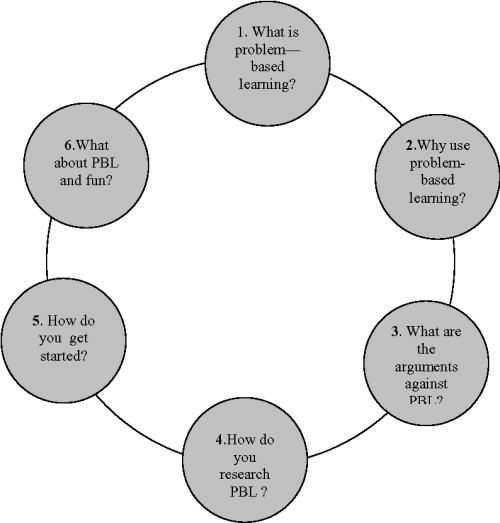
The “dominant
paradigm” that is showing wear is the old fashion classroom teaching
styles. That includes old outdated books and lectures/work created by the
teacher. Technology is on the rise and we have so much information at our
finger tips if we just could gain the resources to use it. “Project-based
learning involves completing complex tasks that typically result in a realistic
product, event, or presentation to an audience.”(edutopia pg.3) Project-based learning involves
completing complex tasks that typically result in a realistic product, event,
or presentation to an audience. According to the article, “it is central to the
curriculum, organized around driving questions that lead students to encounter
central concepts or principles, focused on a constructive investigation that
involves inquiry an knowledge building, student-driven, and authentic, focusing
on problems that occur in the real world and that people care about,” In problem-based learning students take a
different approach to problems. They work in small groups and take an active role
in developing and executing a plan. People who take part in this strategy show
strengths in developing a correct hypothesis. There have been few controlled
group designs when studying learning by
design. Learning by design pertains to students who create or design an
artifact that has to do with the project that they are doing. It could be something
like drawing a picture or creating a story. Students who strive in this strategy
often show stronger scores in the basic classroom. It is important for the
teacher to understand these three styles. Each student learns different and if
the teacher knows how the student learn the best, they can be able to reach
each student.
Wednesday, September 19, 2012
Double Journal #5
“The worst violator and
the one that is most difficult for teachers to handle is the loud student.
Confident in his own brilliance, hugely vocal, and often male, the dominant
student does not seem to hear what another student or even the teacher has to
say in discussion, so intent is he on presenting his own views. He speaks as if
he has nothing to learn from others.”
- · Every class has the potential student that this quote describes. It is very important for the teacher to gain control of this situation early. I feel if a teacher is able to “nip it in the butt” and shut it down early in the year that it will help keep the class running smooth. Thought doing that will not solve the problem completely, even the loud student has relapses. If the teacher remains firm with this student should only be a small relapse. That type of student can really hinder how the other students take involvement in the class. Everyone should feel comfortable to interact in class but with a loud mouth rude kid, it could cause kids to be silent.
Reverent
listening is portrayed by the teacher everyone likes and respects. Not because
the class is easy but because of the characteristics that the teacher has and
uses during their time with the students. They teach with great passion and
love for the topic that they are teaching. Also the teacher respects and really
shows that he/she cares what the students have to say. Teachers that show these
characteristics are you ideal teachers in inclusive classrooms. They make everyone
feel like they belong in the classroom and what they have to say is important
and will be listened too.
“Reverent listening is not to be confused with
humiliation and domination by others who force us to listen, and even less so,
with the kind of incompetence that wants to be told what to do.”
- · This quote is the opposite of what reverent listening is. I can remember when teachers would treat the students who really did know what was going on like that. They wanted to learn and they couldn’t grasp what was being thrown at them. So instead of listening to their questions they just would quite them, treat them like idiots, and make them get down on their selves. This would cause the student to fall behind, then the student wouldn’t pay attention. Now the teacher would consider him the “bad kid.” He wouldn’t be the bad kid he, he was the kid who was suppose to act like he knew what was going on
Monday, September 17, 2012
Tuesday, September 11, 2012
Journal entry 4
Students with an Appalachian background are subject to poorer test scores due to the difficulties they have when reading the questions of the test. Some teachers have even noticed that students hold back in writings because they fear that they will be judged due to their grammar and writing style. Other teachers who choose not to use inclusive teaching techniques often see this as students being lazy. They believe in not always correcting students when they use their certain dialect. Teachers should be responsible in knowing the students and developing ways to reach each individual student.
INFORMATION LITERACY

Monday, September 10, 2012
Subscribe to:
Posts (Atom)